
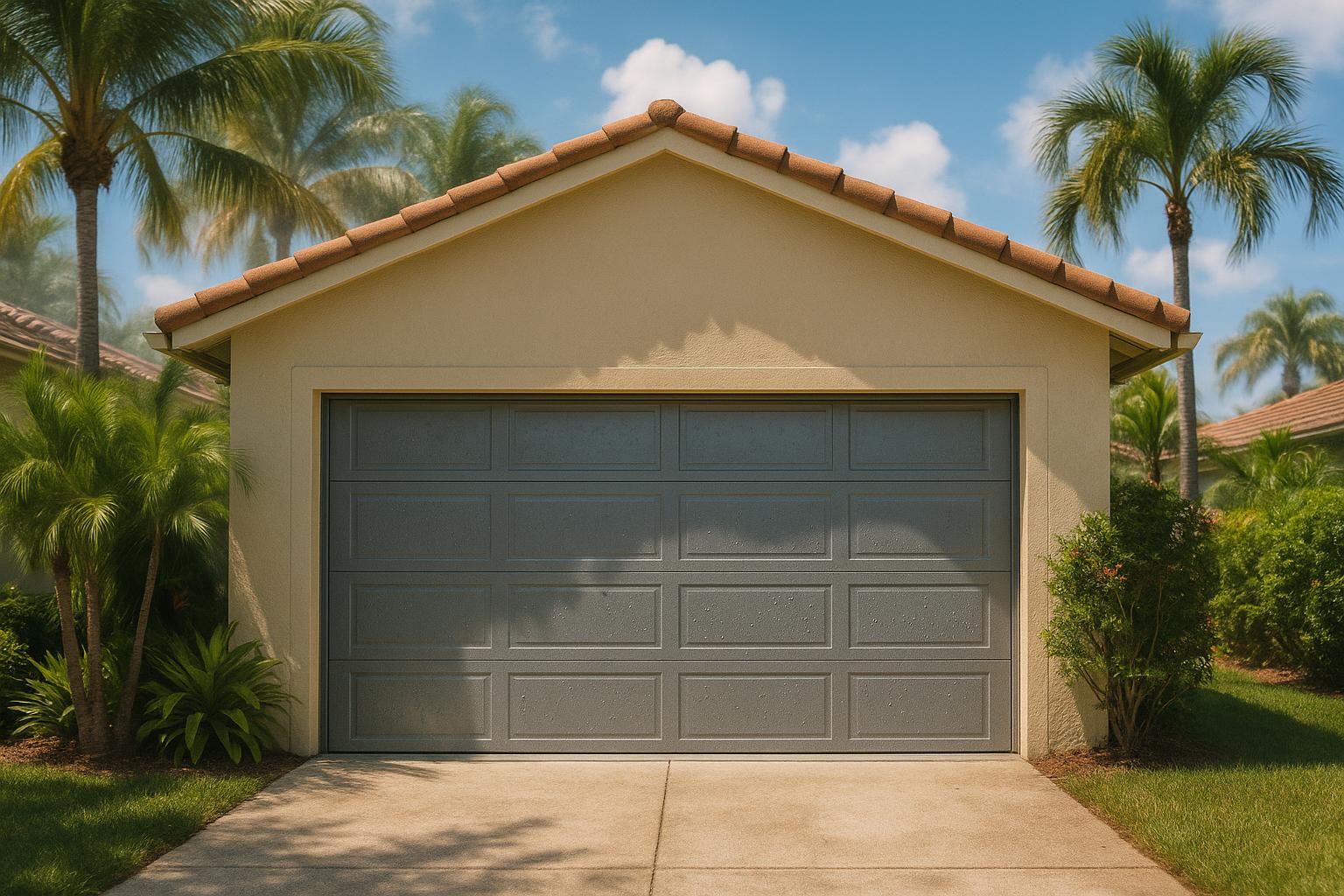
Your Garage Door vs. Southwest Florida's Climate
Living in Lehigh Acres means enjoying sunshine nearly year-round, but that same warm, humid climate that draws people to Southwest Florida can quietly wreak havoc on your garage door. From warped panels and rusted springs to swollen weatherstripping and failing openers, the combination of intense heat, high humidity, and occasional salt air exposure creates a uniquely challenging environment for garage door systems.
If you've noticed your garage door sticking, making unusual noises, or just not performing the way it used to, the Florida weather may be the culprit. Here's a closer look at how our local climate affects your garage door — and what you can do to stay ahead of costly repairs.
Heat Damage: More Than Just Uncomfortable
Summer temperatures in Lehigh Acres regularly climb into the mid-90s, and your garage can easily become a heat trap. With no climate control and direct sun exposure, interior garage temperatures can exceed 130°F on the hottest days. That extreme heat affects your garage door in several ways:
- Metal expansion: Steel and aluminum garage door components expand in high heat. Over time, repeated expansion and contraction cycles can loosen hardware, warp tracks, and cause misalignment issues that make your door noisy or difficult to operate.
- Spring fatigue: Torsion and extension springs are under constant tension. Excessive heat accelerates metal fatigue, which means springs in our climate may wear out faster than they would in cooler regions. A spring that's rated for 10,000 cycles might fail earlier than expected.
- Opener strain: Garage door openers contain circuit boards and motors that are sensitive to heat. When your garage feels like an oven, your opener has to work harder, and its electronic components are more prone to malfunction or premature failure.
- Weatherstripping deterioration: The rubber seals along the bottom and sides of your garage door dry out, crack, and lose flexibility when constantly exposed to heat and UV rays. Once compromised, they let in insects, rain, and debris.
Humidity and Moisture: The Silent Destroyer
Lehigh Acres experiences humidity levels that frequently hover between 70% and 90%, especially during the summer rainy season. That persistent moisture creates problems that many homeowners don't notice until significant damage has already occurred.
Rust and Corrosion
Steel garage doors, springs, hinges, rollers, and tracks are all vulnerable to rust. Even galvanized components aren't immune — over time, the protective coating wears down, and Florida's humidity accelerates the corrosion process. Rusty springs are weaker and more likely to snap without warning. Corroded rollers and hinges create friction, making your door harder to open and putting extra strain on the opener.
Wood Rot and Swelling
If you have a wooden garage door, humidity is your biggest enemy. Wood absorbs moisture from the air, causing panels to swell, warp, and eventually rot. A swollen wooden door may stick in its tracks or fail to close properly, leaving your home vulnerable. Even composite wood doors can be affected if their protective finish has deteriorated.
Mold and Mildew
The warm, dark, and damp environment inside many garages is a perfect breeding ground for mold and mildew. These can develop on and around your garage door, especially along the bottom seal and in the tracks. Beyond being unsightly and smelly, mold growth can affect your home's air quality if your garage is attached to your living space.
Storm Season Adds Another Layer of Risk
Homeowners in Lehigh Acres and the surrounding areas of Fort Myers, Cape Coral, and Bonita Springs know that hurricane season brings an added level of concern. Strong winds, heavy rain, and flying debris can all damage garage doors. But even tropical storms and everyday summer thunderstorms take their toll over time.
Repeated exposure to wind-driven rain can force water into the seams and joints of your garage door, accelerating rust and rot from the inside out. If your door's weatherstripping is already compromised from heat damage, water intrusion becomes even worse.
How to Protect Your Garage Door in Lehigh Acres
The good news is that most climate-related garage door damage is preventable with regular attention and maintenance. Here are practical steps every homeowner in our area should take:
Schedule Preventive Maintenance
Having a professional inspect and service your garage door at least once a year — ideally before summer — is the single best thing you can do to extend its lifespan. A thorough maintenance visit includes lubricating all moving parts, checking spring tension, tightening hardware, inspecting the opener, and evaluating weatherstripping.
Lubricate Moving Parts Regularly
Between professional visits, apply a silicone-based lubricant to your door's springs, hinges, rollers, and tracks every three to four months. This reduces friction, prevents rust, and keeps everything operating smoothly. Avoid using WD-40 as a long-term lubricant — it's a solvent, not a true lubricant, and it can actually attract dirt and grime.
Replace Weatherstripping Before It Fails
Don't wait until you see daylight under your garage door or find puddles on the garage floor. Inspect your bottom seal and side seals a couple of times a year. If you notice cracking, gaps, or hardening, replace them promptly. Fresh weatherstripping keeps out water, pests, and hot air, which also helps with energy efficiency.
Choose the Right Materials
If you're considering a new garage door installation, material choice matters a lot in our climate. Steel doors with a baked-on polyester finish resist rust better than bare or painted steel. Aluminum doors are naturally corrosion-resistant and lightweight. If you love the look of wood, consider insulated steel doors with a wood-grain finish — you get the aesthetic without the maintenance headaches.
Keep the Tracks Clean
Dirt, sand, and debris accumulate in garage door tracks quickly in Florida. A buildup of grime combined with humidity creates a paste that makes rollers stick and increases wear. Wipe down your tracks with a damp cloth every month or so to keep things moving freely.
Ventilate Your Garage
Reducing heat and humidity inside your garage helps protect everything in it, including the door and opener. Consider adding ventilation — a simple exhaust fan or passive vents can make a meaningful difference in temperature and moisture levels.
When to Call a Professional
Some signs of climate-related damage require professional attention sooner rather than later:
- Visible rust on springs, cables, or hardware
- A door that sticks, binds, or moves unevenly
- Unusual grinding, squealing, or popping noises
- An opener that runs but struggles to lift the door
- Warped or cracked panels
- Water stains or mold inside the garage near the door
Ignoring these warning signs often leads to more expensive repairs down the road — or worse, a complete door or spring failure that leaves your home unsecured.
We're Here to Help
At Lehigh Acres Garage Door, we understand the specific challenges that our local climate presents. Whether you need a quick spring replacement, a full maintenance tune-up, or advice on choosing a new garage door that can handle the heat and humidity, our team is ready to help. We serve homeowners throughout Lehigh Acres, Fort Myers, Cape Coral, Estero, Bonita Springs, and San Carlos Park with honest pricing and fast response times.
Don't let Florida's weather shorten the life of your garage door. Contact us today to schedule a maintenance visit or to get a free estimate on repairs and installations.